


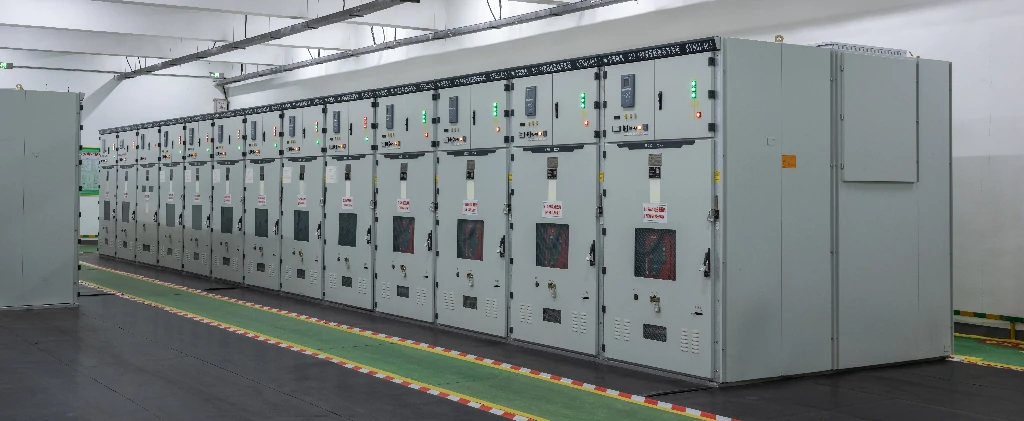
The safety, stability and standardization level of power equipment directly determine the operation quality and service life of power projects. At present, the full range of oil-immersed power transformers, dry-type power transformers, high and low voltage distribution cabinets, and box-type substations are designed and manufactured in strict accordance with international electrical industry standards, with all performance parameters meeting standards and complying with various domestic and foreign power project construction specifications, becoming core equipment for the standardized upgrading of power infrastructure.
In terms of safety performance, dry-type power transformers adopt a full flame-retardant insulation structure with fireproof, explosion-proof, moisture-proof and dust-proof performance, suitable for power distribution scenarios with high safety levels. With optimized sealing and pressure protection upgrades, oil-immersed power transformers eliminate leakage risks, operate stably and reliably, and meet the demand for long-term uninterrupted power supply. Adopting standardized cabinet structure and protective design, high and low voltage distribution cabinets have multiple protection functions of overload, short circuit and electric leakage, which can effectively avoid the risk of distribution line faults.
Box-type substations adopt an integrated sealed protection process with strong corrosion resistance, anti-interference ability and weather resistance, adapting to the construction and operation conditions of different regions and environments. All equipment supports standardized parameter configuration and personalized customization, balancing versatility and adaptability. It can effectively improve the overall safety level of power projects, reduce equipment failure rates, extend service life, and provide reliable guarantee for the safe and stable operation of power grids and the standardized construction of power projects.
Related Posts
- ▶ Industry Standardization: Standardized Power Distribution Equipment Improves the Safety and Quality of Power Projects
- ▶ Scenario Application: Full-range Power Distribution Equipment Adapts to Multi-field Infrastructure Upgrading
- ▶ nergy-saving Innovation: New Power Transmission and Distribution Equipment Boosts Efficiency and Cost Reduction of Power Systems
Online Message

Leave A Message
If you are interested in our products and want to know more details, please leave a message here, we will reply you as soon as we can.
HAVE ANY QUESTION?